
New Energy Cable
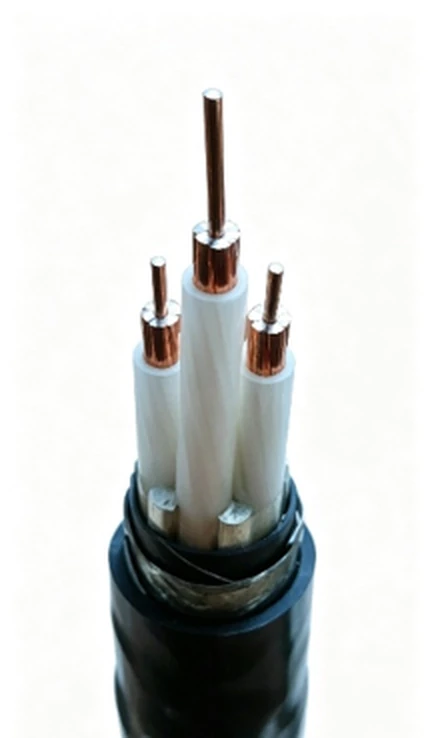
Copper-alloy conductor power cable (YJVA series)
Power cable with a copper-alloy conductor in place of copper: selected, sized and installed exactly like the copper cable it replaces.
- The copper model plus one letter A
- 0.6/1 kV up to 26/35 kV
- About 10% more current than the copper cable
- Service life above 70 years
Overview
New Energy Cable from YSN
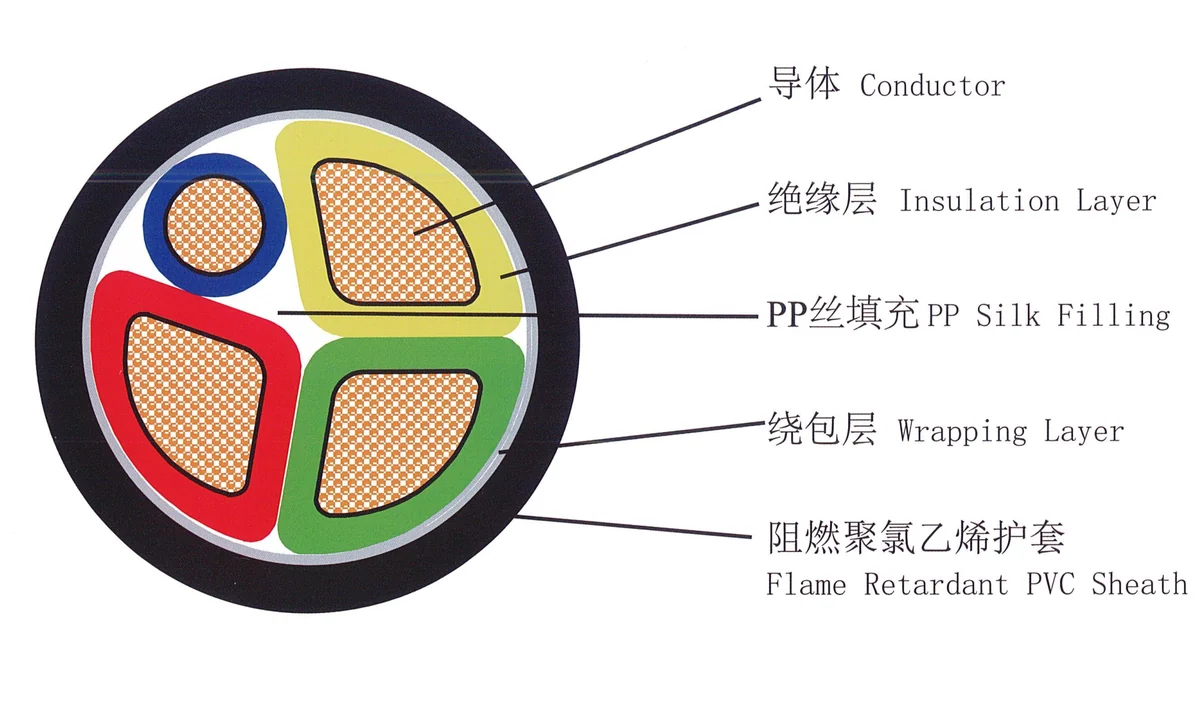
The new energy cable keeps the construction of an ordinary power cable and swaps the copper conductor for a copper-alloy conductor. Selection therefore stays familiar: choose the copper cable you would normally use, add one letter A to the model, and the cable carries the same current in the same size. Conductor, insulation, PP filling, wrapping layer and flame-retardant sheath are built to the voltage class, core arrangement and armour your route needs.
What we supply
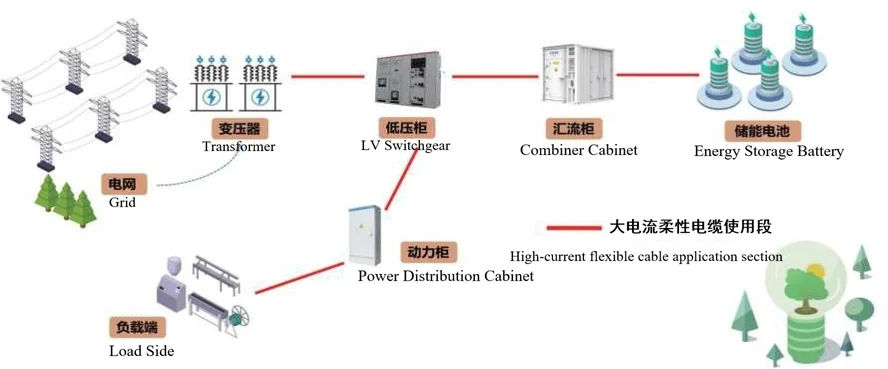
- Power cable for photovoltaic, wind, storage and charging installations
- Single core and multi-core constructions, 3+1 and 4-core included
- Flame-retardant, low-smoke halogen-free and UV-stable sheaths
- Cut-to-length drums, plus matched lugs and heat-shrink terminations
Technical requirements
Specification overview
Everything except the conductor follows the normal power cable construction, so drawings, glands, lugs and installation practice do not change.
- Conductor
- Copper-alloy conductor (code A), annealed; resistivity measured equal to the equivalent copper conductor
- Model system
- Copper model plus A: YJVA, YJVA22, ZC-YJVA, ZC-YJVA22
- Rated voltage
- 0.6/1 kV, 1.8/3 kV, 8.7/15 kV, 26/35 kV — the same classes as ordinary power cable
- Insulation
- XLPE (YJ) or PVC (V)
- Sheath
- PVC (V), or polyethylene / polyolefin (Y)
- Armour
- Steel tape (22), fine steel wire (23) or coarse steel wire (24)
- Flame retardancy
- Flame-retardant grades to GB/T 19666-2019; low-smoke halogen-free (WDZ) and ZA grades follow the same standard
- Core arrangements
- 3+1, 4-core and 5-core; single core at the larger sections
- Specification example
- ZC-YJVA-0.6/1kV 4 × 120 — flame-retardant class C, 0.6/1 kV, four cores, 120 mm²
Model designation
| Part of the code | Code | Meaning |
|---|---|---|
| Conductor | A | New energy copper-alloy conductor |
| Conductor | — | No code: ordinary copper conductor |
| Insulation | V | PVC insulation |
| Insulation | YJ | XLPE insulation |
| Sheath | V | PVC sheath |
| Sheath | Y | Polyethylene or polyolefin sheath |
| Armour | 2 | Steel tape armour |
| Armour | 3 | Fine steel wire armour |
| Armour | 4 | Coarse steel wire armour |
| Outer sheath | 2 | PVC outer sheath |
| Outer sheath | 3 | Polyethylene or polyolefin outer sheath |
Common models
| Model | Construction |
|---|---|
| YJVA | XLPE insulated, PVC sheathed |
| YJVA22 | XLPE insulated, double steel tape armoured, PVC sheathed |
| ZC-YJVA | XLPE insulated, PVC sheathed, flame-retardant class C |
| ZC-YJVA22 | XLPE insulated, double steel tape armoured, PVC sheathed, flame-retardant class C |
How to specify: take the copper cable model and add A. ZC-YJV-0.6/1kV 4×70+1×35 becomes ZC-YJVA-0.6/1kV 4×70+1×35, with the same current-carrying capacity.
Why this product
What it gives the project
Equivalent electrical performance
After annealing, the alloy conductor reaches the resistivity of the copper conductor it replaces, so current sharing and voltage drop are unchanged.
Lower line loss
At the same load the conductor runs cooler — about 50 °C cooler in the comparison test — which means less energy lost along the run.
Terminations stay the same
Lugs, joints and the terminal blocks are still copper, so connection performance, welding and installation practice do not change.
Corrosion and oxidation
The alloy conductor resists corrosion and oxidation at least as well as copper, which is what matters on outdoor and coastal routes.
Longer service life
The life assessment puts it above 70 years, against 30–50 years for conventional copper cable.
Thermal cycling
It takes the same 1,000 thermal cycles as a conventional copper cable, so the duty on the insulation is unchanged.
Product comparison
How it performs against the alternatives
Versus the copper cable it replaces
| Item | New energy cable | Copper cable |
|---|---|---|
| Current-carrying capacity | About 10% higher | Baseline for the same size |
| Temperature rise at the same load | About 50 °C lower | Baseline |
| Ampacity at 90 °C conductor temperature, 185 mm² | 877 A | 667 A |
| DC conductor resistance, 185 mm² | 0.0828 Ω/km | 0.0979 Ω/km |
| Service life | Above 70 years | 30–50 years |
| Installation | Same bending radius and same self-weight | Reference |
| Selection | Same as the copper cable, with A added to the model | — |
Figures are the comparison-test results published with the cable data. Confirm the final selection against your project conditions.
Ratings follow the copper cable
Because the new energy cable is selected from the copper cable it replaces, individual datasheets are issued per model and voltage class. Send the copper model, the voltage and the route, and we will return the equivalent A model with its drawing and price.
Send us the copper model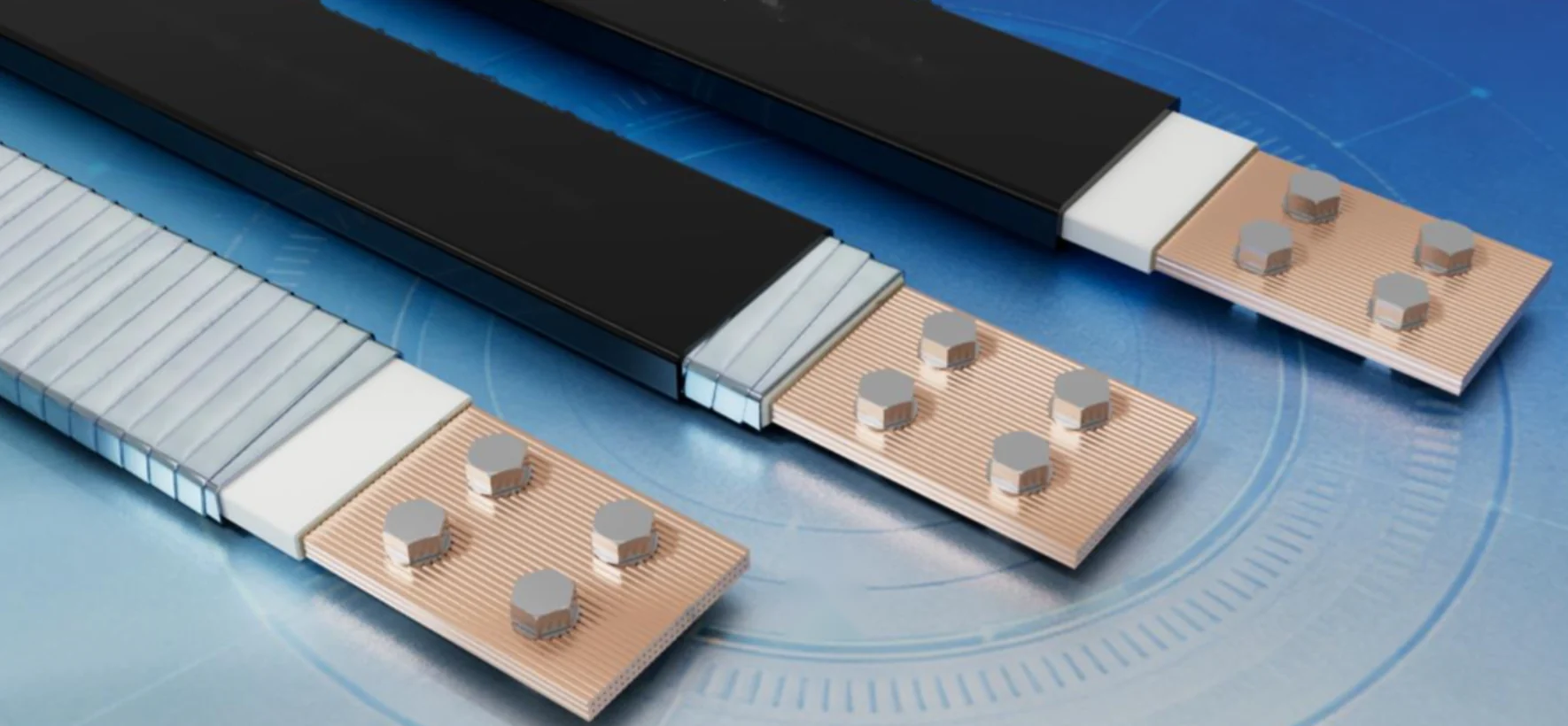
Send us the load and the route
Tell us the current, voltage, route length and laying method. You will have a specification, a drawing and a price within one working day.