
Graphene Busbar
Carbon-aluminium eutectic busbar
Lightweight busbar with a graphene-aluminium composite conductor: about one third the density of copper, and more economical than copper busbar.
- About one third the density of copper
- More economical than copper busbar
- Corrosion and oxidation resistant
- Made to drawing, plated to specification
Overview
Graphene Busbar from YSN
Graphene busbar, also called carbon-aluminium eutectic busbar, uses a conductor in which high-purity graphene is dispersed into the aluminium lattice rather than simply mixed into it. The bar that comes out is about one third as heavy as copper, resists corrosion and oxidation, and costs less than copper busbar. It is the option for routes where weight, corrosion and material cost matter more than the highest conductivity.
What we supply
- Busbar in the standard sections, or sectioned to your drawing
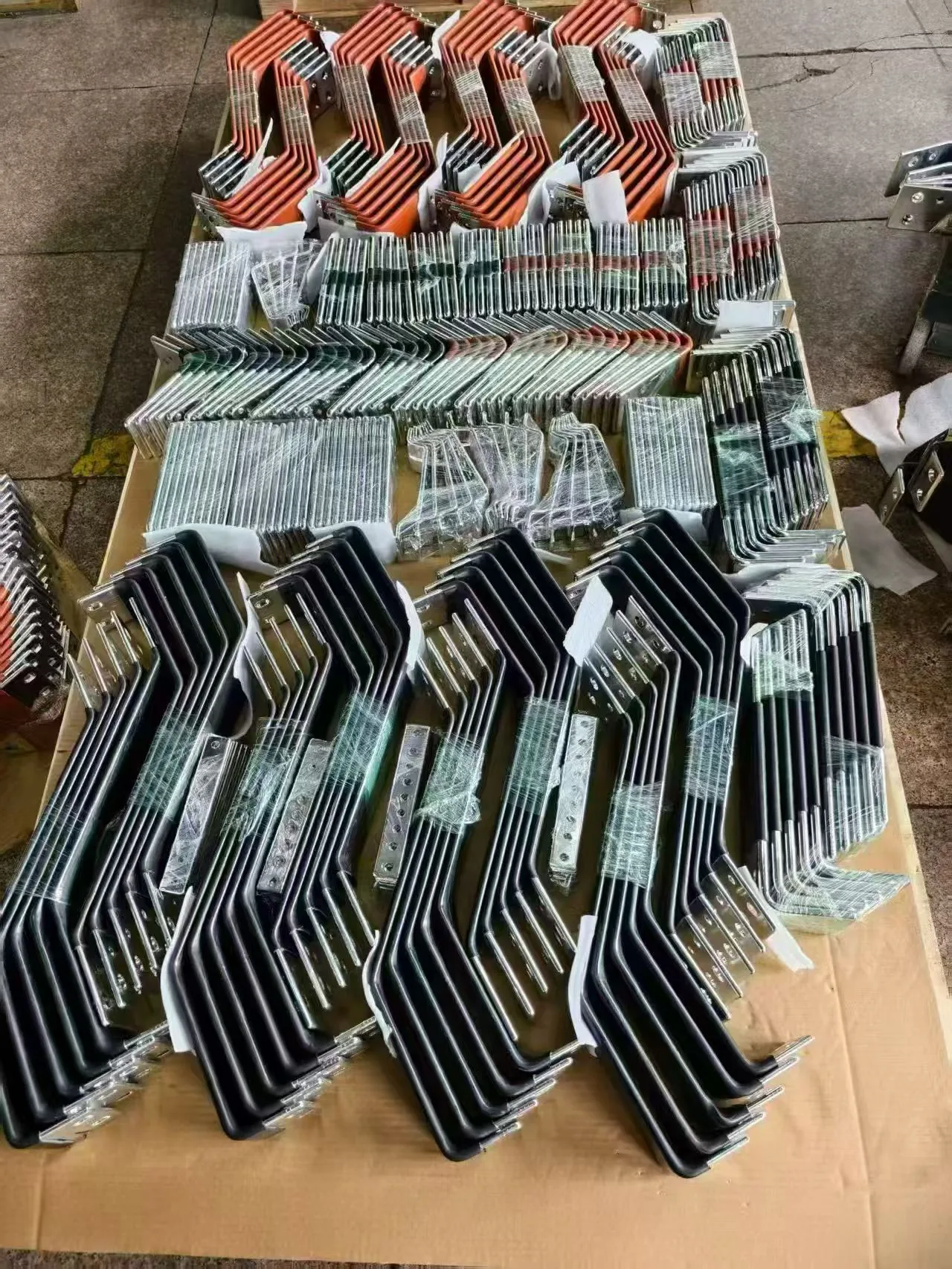
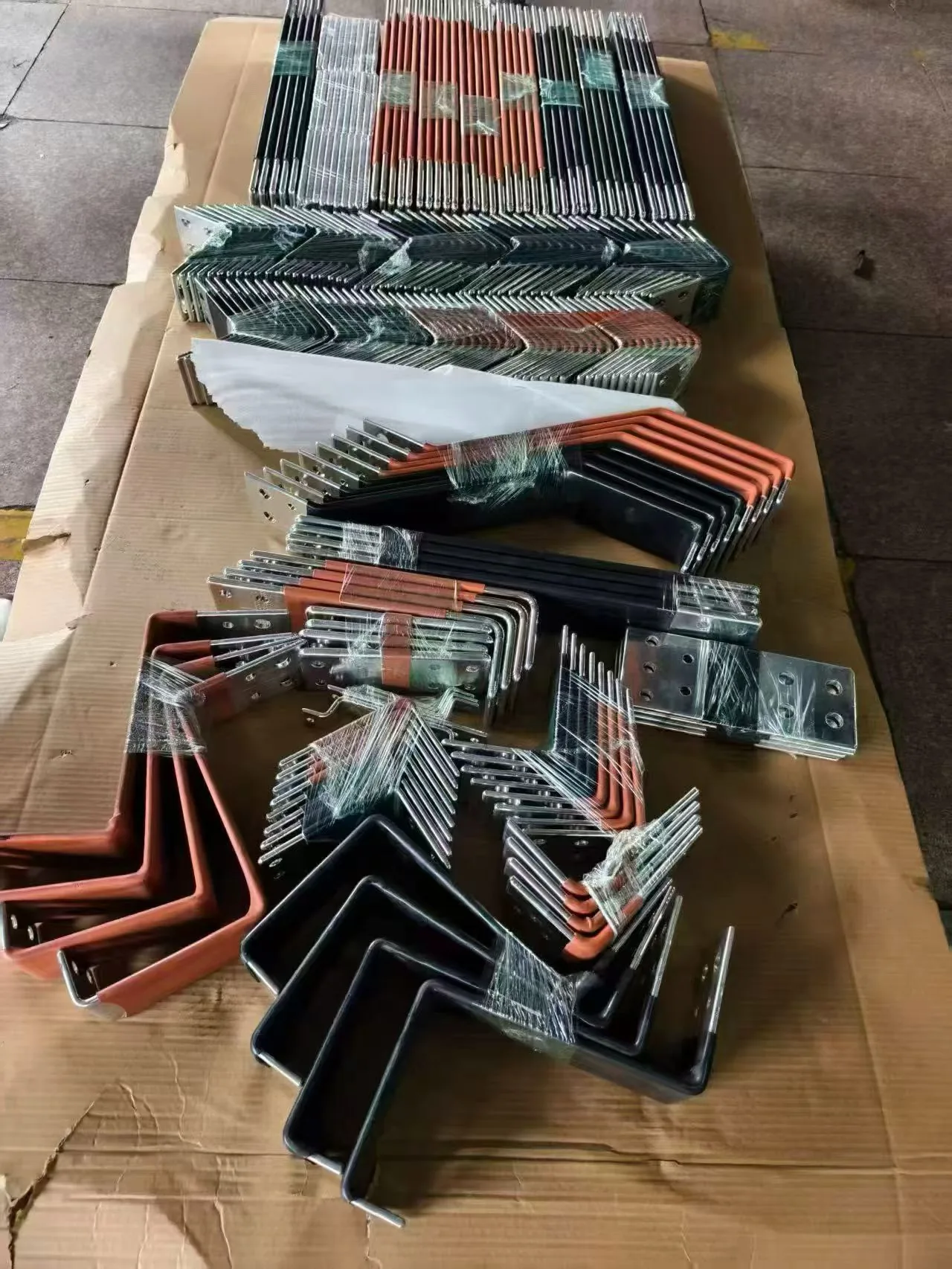
- Cut, punched, arced and bent before delivery
- Copper and tin plating, on finished parts or on parts you machine yourself
- Drawing data converted to CNC machine code free of charge
Technical requirements
A composite conductor, not just aluminium
The conductor is a carbon-aluminium eutectic composite: graphene of more than 99% purity, 2–5 layers, dispersed into the aluminium matrix so the grains refine and the material stops behaving like plain aluminium.
- Conductor
- Graphene-aluminium composite (carbon-aluminium eutectic)
- Density
- About 2.75 g/cm³ — roughly one third the density of copper
- Material cost
- More economical than copper busbar
- Oxidation
- Lower oxygen content than copper in the same comparison test, where copper measured about 1.5 times higher
- Standard length
- 6 m bars
- Surface treatment
- Copper plating and tin plating
- Machining
- Cut, punched, arced and bent to your drawing
- Custom sections
- Target range 20–200 mm wide and 3–15 mm thick; non-standard profiles need tooling
Standard sections
Sections held in the standard moulds
| Width (mm) | Thickness (mm) |
|---|---|
| 40 | 6 |
| 60 | 6 / 8 / 10 |
| 80 | 6 / 8 / 10 |
| 100 | 6 / 8 / 10 |
| 120 | 6 / 8 / 10 / 12 |
| 125 | 10 / 12 |
Section is quoted as width × thickness. Other sizes are tooled to order within the target range.
Ordering
Three ways to buy
Machining and plating can be split between us and your own workshop, whichever suits the project and the shipping.
- Option 1 — finished parts
- We machine the 6 m bars to your drawing and deliver them plated and tinned.
- Option 2 — plated on return
- You machine the bars locally and return the finished parts for copper and tin plating.
- Option 3 — plate locally
- You machine and plate locally, with the plating process reviewed and approved first.
- Drawing service
- Your dimensions and drawings are converted free of charge into CNC machine code and CAD output for switchgear and busbar assemblies.
Why this product
What it gives the project
Weight
About one third the density of copper, so racks, cabinets and shipping crates carry far less dead weight.
Material cost
More economical than the equivalent copper bar, which compounds across long runs and multi-bar assemblies.
Corrosion and oxidation
Grain refinement and lower oxygen uptake give better corrosion and electrochemical resistance than the copper bar in the same test.
Ready to bolt in
Standard 6 m bars, machined to your drawing and plated, so parts arrive ready for assembly.
Send the drawing, we will quote the section
Tell us the current, the ambient temperature and the space you have, and we will come back with the section, the plating and a drawing for approval before the batch is run.
Ask for a section proposal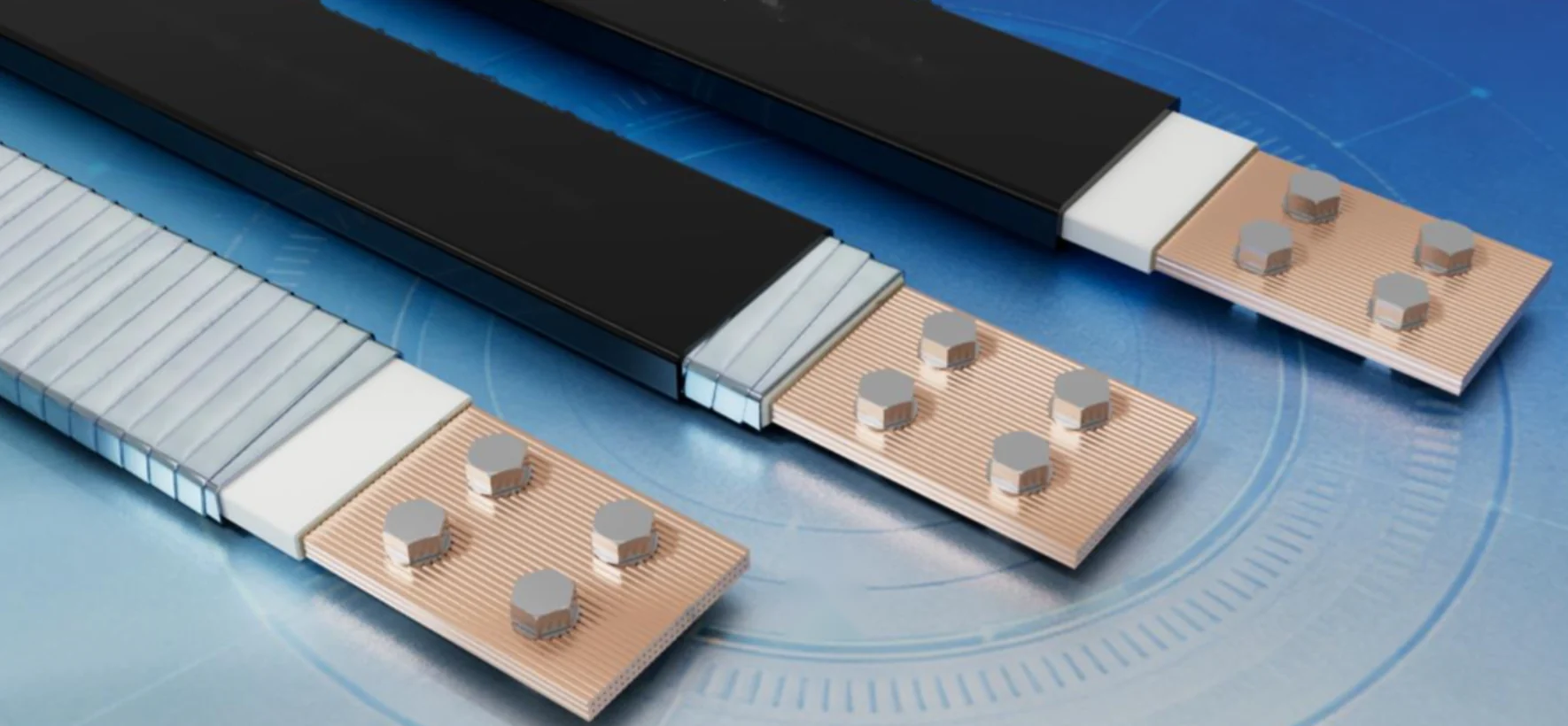
Send us the load and the route
Tell us the current, voltage, route length and laying method. You will have a specification, a drawing and a price within one working day.